
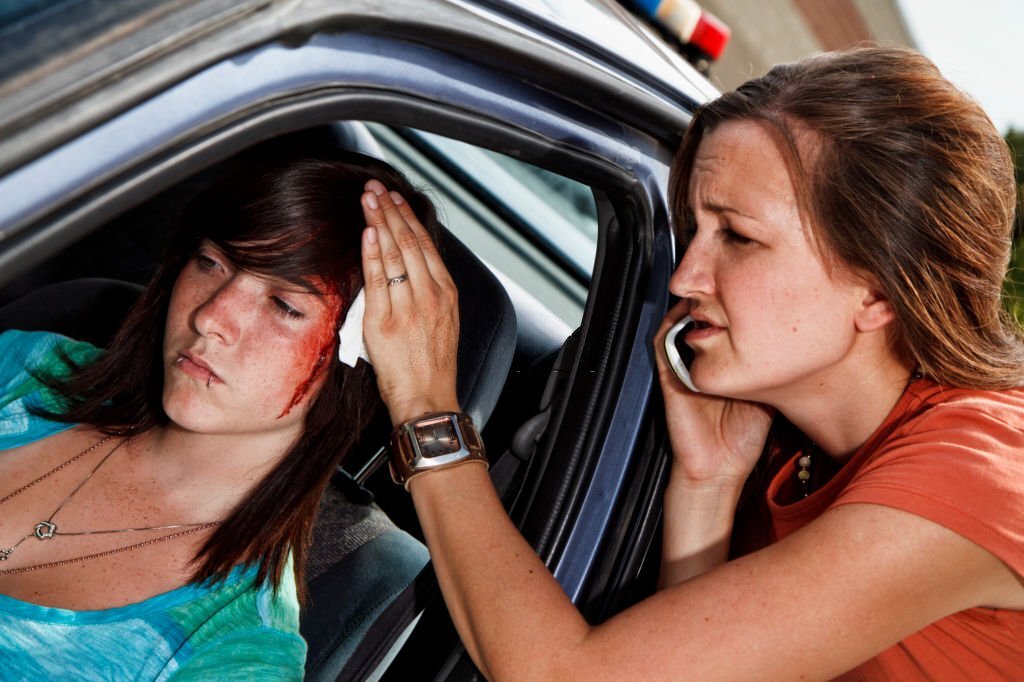
SGI (Saskatchewan Government Insurance) stands as a pillar of support for individuals involved in car accidents within the province of Saskatchewan, Canada. Established in 1945, SGI is a government-owned insurance company entrusted with the responsibility of providing compulsory auto insurance coverage to vehicle owners. In addition to insurance services, SGI also oversees driver’s licensing and vehicle registration, promoting safety on the roads of Saskatchewan.
With a steadfast commitment to protecting the well-being of its residents, SGI plays a vital role in managing insurance claims stemming from various types of injuries, including concussions and head injuries. This comprehensive guide aims to provide a detailed overview of the SGI claims process specifically related to concussions and head injuries resulting from car accidents in the city of Regina.
By understanding the intricacies of SGI’s policies, procedures, and benefits, individuals affected by such injuries can navigate the claims process more effectively, ensuring they receive the compensation and support they deserve. From reporting the accident and gathering essential documentation to seeking medical assessments and pursuing necessary rehabilitation, this guide will offer valuable insights into every stage of the SGI claims journey.
Concussions and Head Injuries: A Comprehensive Exploration
Concussions and head injuries are complex and potentially serious conditions that can result from various accidents, including car accidents in Regina, Saskatchewan. Understanding the nature of these injuries is essential for individuals affected by such incidents, as well as for those involved in their assessment, treatment, and insurance claims. This section aims to provide a comprehensive exploration of concussions and head injuries, shedding light on their causes, symptoms, effects, and long-term implications.
Causes and Mechanisms of Concussions and Head Injuries
Concussions and head injuries can occur due to various causes, with car accidents being a significant contributor. The sudden impact, jolts, and forces involved in a collision can lead to the head and brain being subjected to rapid acceleration and deceleration, resulting in trauma. Other common causes include falls, sports-related injuries, and workplace accidents. Understanding the specific mechanisms of injury helps in comprehending the potential severity and consequences of concussions and head injuries.
Symptoms and Signs of Concussions and Head Injuries
Recognizing the symptoms and signs of concussions and head injuries is crucial for prompt diagnosis and appropriate medical care. Symptoms may vary depending on the severity of the injury but can include headache, dizziness, confusion, memory problems, nausea, sensitivity to light or noise, and changes in mood or behavior. Physical signs, such as visible injuries, skull fractures, or bleeding, may also be present. Awareness of these symptoms allows individuals and healthcare professionals to identify and respond to potential concussions and head injuries effectively.
Short-term and Long-term Effects of Concussions and Head Injuries
Concussions and head injuries can have both short-term and long-term effects on individuals. In the immediate aftermath of an injury, individuals may experience cognitive difficulties, headaches, sleep disturbances, and emotional changes. These symptoms typically subside with appropriate rest and rehabilitation. However, in some cases, individuals may develop persistent symptoms, such as post-concussion syndrome or other long-term complications. Understanding the potential effects helps in guiding treatment plans and managing expectations for recovery.
Concussions and head injuries are multifaceted conditions that require a comprehensive understanding to ensure proper assessment, treatment, and support. Recognizing the causes, symptoms, and effects of these injuries is crucial for individuals involved in car accidents and their subsequent insurance claims. By gaining insight into the intricacies of concussions and head injuries, individuals can take proactive steps towards seeking appropriate medical attention, pursuing necessary rehabilitation, and navigating the insurance claims process effectively.
Understanding the SGI Claims Process: Seeking Compensation for Concussions and Head Injuries in Regina
When faced with the aftermath of a car accident resulting in concussions or head injuries in Regina, understanding the SGI claims process becomes crucial. Saskatchewan Government Insurance (SGI) plays a vital role in assisting individuals in their journey towards recovery and seeking rightful compensation. This section aims to provide a comprehensive guide to navigating the SGI claims process specifically related to concussions and head injuries, outlining the necessary steps, documentation, and timelines involved.
Reporting the Car Accident and Injury to SGI
The initial step in the SGI claims process is reporting the car accident and injury. This involves promptly notifying SGI about the incident and providing accurate details regarding the accident, injuries sustained, and any other relevant information. Adhering to the specified timelines for reporting is crucial to ensure a smooth claims process.
Necessary Documentation for a Concussion and Head Injury Claim
To support a concussion or head injury claim, certain documentation is essential. This section highlights the required documents, such as accident reports, medical records, witness statements, and photographs of the accident scene. Understanding the significance of these documents and ensuring their proper collection and organization can strengthen the claim.
Timelines and Deadlines for Filing a Claim
Adhering to specific timelines and deadlines is crucial when filing a claim with SGI. This section provides a clear overview of the time limits within which a claim must be submitted. Failure to meet these deadlines may result in the claim being denied or delayed, emphasizing the importance of timely action.
Contacting a Healthcare Professional and Obtaining Medical Reports
Seeking medical attention from a healthcare professional is vital for proper diagnosis, treatment, and documentation of concussion and head injuries. This section outlines the importance of promptly contacting a healthcare professional and obtaining comprehensive medical reports to support the claim.
Importance of Gathering Evidence and Witness Statements
Gathering evidence and witness statements can significantly impact the outcome of an SGI claim. This section explores the importance of collecting and preserving evidence, including photographs, video footage, and witness statements. It also provides guidance on how to effectively gather and document this evidence.
Navigating the SGI claims process for concussions and head injuries requires a comprehensive understanding of the necessary steps and documentation. By promptly reporting the accident and injury, gathering relevant evidence, and obtaining medical reports, individuals can strengthen their claims and increase their chances of receiving the compensation they deserve. Adhering to the specified timelines and seeking professional guidance when needed will help navigate the SGI claims process effectively, ensuring a smoother path towards recovery and resolution.
Evaluating and Diagnosing Concussions and Head Injuries: Medical Assessment Process
Accurate medical assessment and diagnosis play a pivotal role in understanding the severity and implications of concussions and head injuries resulting from car accidents in Regina. This section explores the comprehensive medical assessment process and diagnostic techniques employed by healthcare professionals. By delving into the intricacies of medical evaluation, individuals affected by concussions and head injuries can gain a deeper understanding of their conditions and contribute to the success of their SGI claims.
Medical Examination Process for Concussions and Head Injuries
The medical examination process for concussions and head injuries typically begins with a thorough evaluation of the individual’s medical history, including details of the accident and symptoms experienced. Healthcare professionals, such as physicians or neurologists, conduct comprehensive physical examinations to assess neurological functioning, cognition, balance, and sensory responses. This examination aids in identifying specific areas affected by the injury and determining the extent of the damage.
Role of Healthcare Professionals in Diagnosing and Treating Concussions
Healthcare professionals, including neurologists, sports medicine physicians, and rehabilitation specialists, play a crucial role in diagnosing and treating concussions. They possess the expertise to interpret symptoms, evaluate physical and cognitive function, and establish an accurate diagnosis. By employing standardized assessment tools and protocols, these professionals can offer individualized treatment plans and provide guidance for recovery.
Diagnostic Tests and Imaging Techniques for Assessing Head Injuries
In certain cases, diagnostic tests and imaging techniques are employed to assess the extent of head injuries. These may include computed tomography (CT) scans, magnetic resonance imaging (MRI), or specialized neuroimaging techniques. These tests help in identifying any structural abnormalities, internal bleeding, or other complications associated with head injuries, aiding in the diagnostic process and guiding appropriate treatment strategies.
Documentation and Medical Reports for SGI Claims
Accurate and comprehensive documentation is essential when filing SGI claims for concussions and head injuries. This section emphasizes the significance of medical reports and their role in supporting the claims process. Medical professionals are responsible for preparing detailed reports that outline the diagnosis, treatment plan, prognosis, and expected recovery timeline. These reports serve as crucial evidence for the claim and can significantly impact its success.
The medical assessment and diagnosis of concussions and head injuries are integral components of the recovery process and the SGI claims journey. By undergoing thorough medical examinations, individuals can receive accurate diagnoses, tailored treatment plans, and necessary support for their healing. Collaboration between healthcare professionals and the provision of detailed medical reports strengthen SGI claims, ensuring that individuals receive the compensation and care they require for a successful recovery.
Case Law Examples
R v. Harbottle (2017)
In this case, the Supreme Court of Canada clarified the legal principles surrounding causation in personal injury claims. The court emphasized that the claimant must establish a clear causal link between the defendant’s negligence and the injuries suffered, including concussions and head injuries.
Mustapha v. Culligan of Canada Ltd. (2008)
In this Canadian case, the Supreme Court of Canada considered the issue of mental injury and its compensability. Although not specific to concussions or head injuries, the court provided guidance on assessing the compensability of psychological injuries resulting from traumatic incidents, which may be relevant in cases involving emotional distress resulting from head injuries.
Tuite v. Henry (2012)
In this case, the British Columbia Supreme Court awarded significant damages to a plaintiff who suffered a traumatic brain injury, including a concussion, as a result of a car accident. The court considered the long-term impact of the injury on the plaintiff’s life and the need for ongoing care and support.
Trimble v. Mierau (2017)
This case involved a claimant who sustained a head injury, including a concussion, in a motor vehicle accident. The Manitoba Court of Queen’s Bench awarded damages to the claimant, taking into account the impact of the injury on their cognitive abilities, employment prospects, and quality of life.
Lewis v. British Columbia (Workers’ Compensation Board) (1998)
In this case, the Supreme Court of Canada examined the issue of compensation for permanent and partial disability resulting from a head injury. The court emphasized the importance of considering the long-term effects of the injury and the individual circumstances of the claimant in determining the appropriate compensation.
Securing Compensation and Accessing Benefits: Supporting Recovery from Concussions and Head Injuries
Obtaining fair compensation and accessing necessary benefits is crucial for individuals recovering from concussions and head injuries sustained in car accidents in Regina. This section focuses on the compensation structure and benefits provided by SGI (Saskatchewan Government Insurance). By understanding the available avenues for financial support and rehabilitation, individuals can effectively navigate the complexities of the claims process and ensure they receive the assistance needed for their recovery journey.
Understanding the Compensation Structure
SGI offers a structured compensation system designed to provide support and financial relief to individuals impacted by concussions and head injuries. This section delves into the key elements of SGI’s compensation structure, including coverage for medical expenses, income replacement benefits, rehabilitation support, and disability benefits. Understanding the nuances of this structure helps individuals determine the extent of the compensation they may be entitled to receive.
Medical Benefits and Coverage for Concussion and Head Injury Treatments
SGI provides coverage for a wide range of medical treatments and services related to concussions and head injuries. From initial emergency care to specialized consultations, diagnostic tests, and rehabilitation therapies, individuals can access the necessary medical support to aid their recovery. This section highlights the specific medical benefits available and outlines the process for submitting and obtaining reimbursement for medical expenses.
Income Replacement Benefits during Recovery
During the recovery period, individuals may experience a loss of income due to their injuries. SGI offers income replacement benefits to help alleviate this financial burden. This section discusses the eligibility criteria, application process, and duration of income replacement benefits. It emphasizes the importance of proper documentation and timely submission of relevant information to ensure the smooth processing of these benefits.
Rehabilitation and Therapy Benefits for Concussion Victims
Rehabilitation and therapy play a vital role in the recovery process for individuals with concussions and head injuries. SGI recognizes the importance of these services and provides coverage for various rehabilitation programs, including physiotherapy, occupational therapy, speech therapy, and psychological counseling. This section explores the rehabilitation benefits available and outlines the steps involved in accessing these essential services.
Disability Benefits for Long-term or Permanent Impairments
In cases where concussions or head injuries result in long-term or permanent impairments, SGI offers disability benefits to provide ongoing support. This section outlines the criteria for qualifying for disability benefits, the assessment process, and the types of benefits available. It emphasizes the importance of seeking medical documentation and expert opinions to establish the extent of the disability and its impact on daily functioning.
Securing compensation and accessing benefits is integral to supporting the recovery process for individuals with concussions and head injuries. By understanding the compensation structure, medical benefits, income replacement, rehabilitation support, and disability benefits offered by SGI, individuals can navigate the claims process effectively and ensure they receive the necessary financial resources and support for their recovery journey. The availability of these benefits emphasizes SGI’s commitment to aiding individuals in their path to healing and rebuilding their lives following concussions and head injuries.
Overcoming Obstacles: Challenging SGI Claim Denials for Concussions and Head Injuries
Receiving a claim denial from SGI (Saskatchewan Government Insurance) can be disheartening, especially when seeking compensation for concussions and head injuries resulting from car accidents in Regina. However, it is important to remember that claim denials are not the end of the road. This section focuses on empowering individuals to challenge SGI claim denials effectively. By understanding the reasons for denials, gathering additional evidence, and navigating the appeals process, individuals can increase their chances of overturning the denial and securing the compensation they rightfully deserve.
Understanding Common Reasons for SGI Claim Denials
Before challenging an SGI claim denial, it is essential to comprehend the common reasons behind these decisions. This section sheds light on potential grounds for denial, such as insufficient documentation, missed deadlines, discrepancies in evidence, pre-existing conditions, or disputes over liability. By identifying the specific reason for the denial, individuals can strategize their approach to overcome these challenges.
Reviewing the Denial Letter and Documentation
Upon receiving a claim denial, carefully reviewing the denial letter and associated documentation is crucial. This section provides guidance on understanding the denial letter’s contents, including the reasoning behind the decision and any additional information or evidence required. It emphasizes the importance of organizing and reviewing all relevant documentation, including medical records, accident reports, and witness statements, to identify any gaps or areas for improvement.
Seeking Expert Opinions and Independent Medical Assessments
In cases where the denial is based on medical opinions or assessments, seeking expert opinions and independent medical assessments can be instrumental in challenging the decision. This section explores the importance of obtaining second opinions from qualified healthcare professionals who specialize in concussions and head injuries. Independent medical assessments can provide an unbiased evaluation of the individual’s condition, which can serve as valuable evidence in supporting the claim.
Preparing a Strong Appeal
When challenging an SGI claim denial, a well-prepared and persuasive appeal is essential. This section offers guidance on crafting a strong appeal, including gathering additional evidence, drafting a detailed explanation of the claim, and addressing the specific grounds for denial. It also highlights the significance of presenting a clear and organized argument, supported by factual information and expert opinions.
Navigating the Appeals Process
Understanding the appeals process is crucial for individuals seeking to challenge SGI claim denials. This section provides an overview of the appeals process, including the necessary forms and documentation, deadlines, and the appropriate channels for submission. It emphasizes the importance of adhering to the outlined procedures to ensure that the appeal receives proper consideration.
Challenging an SGI claim denial for concussions and head injuries may seem daunting, but it is a necessary step in pursuing rightful compensation. By understanding the common reasons for denials, carefully reviewing documentation, seeking expert opinions, and navigating the appeals process effectively, individuals can increase their chances of overturning the denial and obtaining the compensation they deserve. Persistence, attention to detail, and a proactive approach can ultimately lead to a successful outcome in challenging SGI claim denials.
Essential Resources and Support Services
Recovering from concussions and head injuries resulting from car accidents in Regina requires not only medical care but also access to resources and support services. This section aims to highlight the crucial role of various resources and support services in aiding individuals’ recovery journeys. By exploring avenues such as support groups, rehabilitation centers, community programs, and educational resources, individuals can find the necessary support and guidance needed to navigate the challenges associated with concussions and head injuries.
Support Groups for Concussion and Head Injury Survivors
Support groups play a vital role in providing a safe and understanding space for individuals recovering from concussions and head injuries. This section explores the benefits of support groups, which include emotional support, shared experiences, and practical advice. It also provides information on local support groups in Regina and online communities where individuals can connect with others facing similar challenges.
Rehabilitation Centers and Therapeutic Services
Rehabilitation centers and therapeutic services are instrumental in aiding the recovery process for individuals with concussions and head injuries. This section delves into the various types of therapies and services available, such as physiotherapy, occupational therapy, speech therapy, and cognitive rehabilitation. It also emphasizes the importance of multidisciplinary approaches and individualized treatment plans provided by these centers.
Community Programs and Services
Communities offer a range of programs and services designed to support individuals recovering from concussions and head injuries. This section explores community-based initiatives such as concussion management programs, educational workshops, and recreational activities tailored to the specific needs of individuals with these injuries. It also highlights the significance of engaging with local resources and taking advantage of community support.
Educational Resources and Information
Access to reliable and accurate educational resources is essential for individuals and their families to understand concussions and head injuries better. This section discusses the importance of educational materials, websites, and literature that provide information on symptoms, recovery strategies, and long-term implications. It also emphasizes the role of healthcare professionals in guiding individuals toward reputable resources.
Counseling and Mental Health Support
Concussions and head injuries can have a significant impact on individuals’ mental well-being. This section emphasizes the importance of seeking counseling and mental health support as part of the recovery process. It explores the benefits of therapy in addressing emotional challenges, anxiety, depression, and post-concussion syndrome. It also provides information on available counseling services and resources.
Recovering from concussions and head injuries requires more than just medical treatment; it necessitates access to a range of resources and support services. By engaging with support groups, rehabilitation centers, community programs, educational resources, and mental health services, individuals can enhance their recovery journeys. These resources and support services provide valuable guidance, emotional support, and practical tools to navigate the challenges associated with concussions and head injuries. By harnessing these resources, individuals can foster their healing process and regain control of their lives.
Prevention and Road Safety Measures
Concussions and head injuries resulting from car accidents in Regina can have devastating consequences. However, many of these injuries can be prevented through proactive measures and adherence to road safety guidelines. This section focuses on the importance of prevention and explores a variety of road safety measures that can significantly reduce the risk of concussions and head injuries. By raising awareness about prevention strategies, promoting responsible driving behaviors, and advocating for safer road environments, we can strive to minimize the occurrence of these injuries.
Promoting Helmet Use for Cyclists and Motorcyclists
Wearing helmets is a critical safety measure for cyclists and motorcyclists to protect against head injuries. This section emphasizes the importance of promoting helmet use through public awareness campaigns, educational programs, and legislation. It highlights the effectiveness of helmets in reducing the severity of head injuries and provides guidance on choosing appropriate helmets that meet safety standards.
Encouraging Seat Belt Usage for Vehicle Occupants
Seat belts are one of the most effective safety devices in preventing head injuries and other severe consequences during car accidents. This section emphasizes the importance of seat belt usage for both drivers and passengers and explores strategies for promoting seat belt compliance. It highlights the role of educational campaigns, law enforcement efforts, and technology advancements in enhancing seat belt usage rates.
Child Passenger Safety and Proper Restraint Systems
Protecting children from head injuries requires appropriate child passenger safety measures. This section focuses on the importance of using proper restraint systems, such as child safety seats and booster seats, based on a child’s age, height, and weight. It provides guidance on selecting and installing these restraints correctly and emphasizes the need for education and awareness programs targeting parents and caregivers.
Safe Driving Practices and Defensive Driving Techniques
Adopting safe driving practices and defensive driving techniques significantly reduce the risk of car accidents and associated head injuries. This section explores the importance of responsible driving behaviors, including obeying traffic laws, avoiding distracted driving, maintaining safe speeds, and practicing defensive driving. It also highlights the role of driver education programs and public awareness campaigns in promoting safer driving habits.
Infrastructure Improvements and Road Safety Engineering
Creating safer road environments is essential in preventing accidents and minimizing the risk of head injuries. This section discusses the significance of infrastructure improvements, such as well-maintained roads, clear signage, adequate lighting, and the inclusion of safety features like roundabouts and speed bumps. It advocates for collaboration between transportation authorities, urban planners, and policymakers to prioritize road safety in Regina.
Impaired Driving Prevention and Education
Impaired driving is a significant contributor to car accidents and subsequent head injuries. This section emphasizes the importance of preventing impaired driving through education, enforcement of impaired driving laws, and the promotion of alternative transportation options. It highlights the role of public awareness campaigns, designated driver programs, and partnerships with local communities and organizations to combat impaired driving.
Preventing concussions and head injuries on the roads of Regina requires a comprehensive approach that includes promoting helmet use, encouraging seat belt usage, ensuring child passenger safety, advocating safe driving practices, improving infrastructure, and preventing impaired driving. By embracing these prevention strategies and adhering to road safety measures, individuals can play a crucial role in safeguarding lives and minimizing the occurrence of these preventable injuries. Together, we can create a safer road environment for everyone in Regina.
Conclusion
SGI, as the provincial insurance provider, offers a framework for individuals to seek compensation for their injuries. Understanding the claims process, including the required documentation, timelines, and communication with SGI representatives, is vital for a smooth and efficient journey. It is essential to provide accurate and comprehensive information to support the claim and ensure a fair assessment.
Comprehending the process of filing an SGI claim for concussion and head injuries resulting from a car accident in Regina requires a comprehensive understanding of the various aspects involved. From the initial claim submission to medical assessment, compensation and benefits, challenging claim denials, and accessing resources and support services, each stage plays a crucial role in seeking rightful compensation and facilitating recovery.