
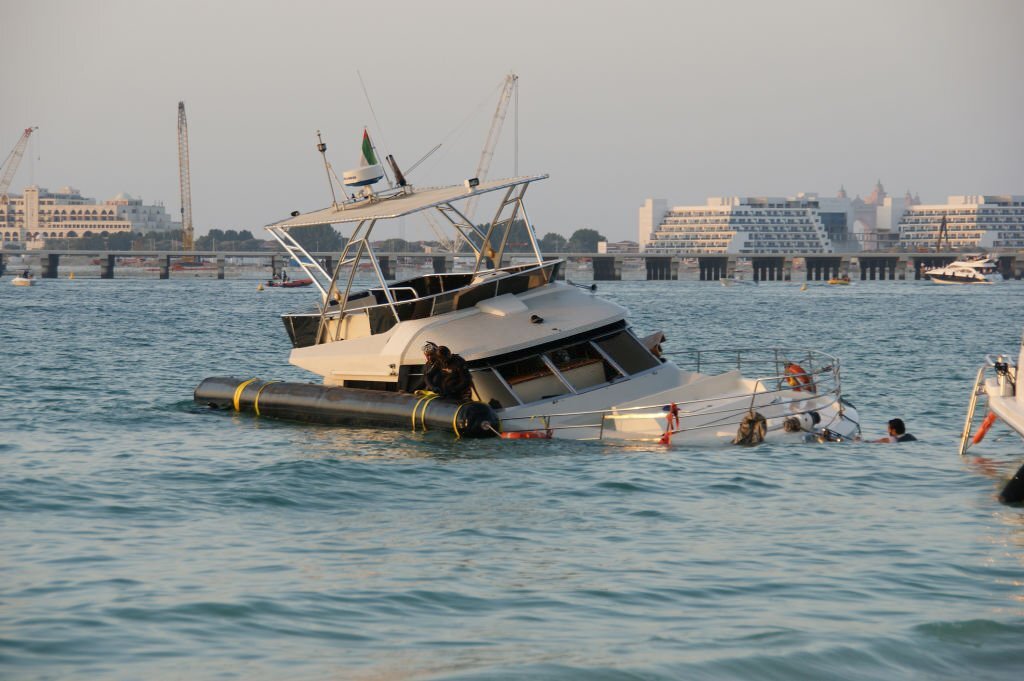
When it comes to enjoying the serene waters of Regina, boating can be an exhilarating experience. Whether you’re cruising on Wascana Lake or exploring the vast Saskatchewan River, boating offers a unique sense of freedom and adventure. However, accidents can happen, and in unfortunate circumstances, they can result in serious injuries or even fatalities. This is where the expertise of Regina boating accidents lawyers becomes invaluable.
Understanding Boating Accidents
Boating accidents can occur in various forms, ranging from collisions with other vessels to grounding, capsizing, or even individuals falling overboard. These incidents can result in serious injuries, fatalities, or substantial property damage. To better understand boating accidents and minimize their occurrence, it is essential to examine the contributing factors, the risks involved, and the importance of implementing adequate safety measures.
One of the primary factors contributing to boating accidents is operator negligence. Boat operators who fail to follow proper safety protocols, disregard navigational rules, or engage in reckless behavior significantly increase the risk of accidents. Negligence can involve distractions while operating the vessel, such as using mobile devices, operating under the influence of alcohol or drugs, or inattention due to fatigue.
Excessive speeding is another common cause of boating accidents. When boat operators fail to adhere to speed limits or navigate at an unsafe velocity for prevailing conditions, they compromise their ability to react promptly to unexpected obstacles or hazards in the water. High-speed collisions can result in severe injuries and extensive damage to both boats and passengers.
Alcohol or drug impairment poses a significant risk in boating accidents. Just like operating a motor vehicle, operating a boat under the influence can impair judgment, reaction time, coordination, and overall decision-making abilities. Impaired operators are more likely to make poor choices and fail to take necessary precautions, making accidents more likely to occur.
Mechanical failures can also contribute to boating accidents. Defective or malfunctioning equipment, such as engines, steering systems, or navigational instruments, can lead to unexpected breakdowns or loss of control, increasing the likelihood of accidents. Regular maintenance and thorough inspections of boats and their components are crucial to minimizing the risk of mechanical failures.
Inadequate safety measures and a lack of proper safety equipment further escalate the potential for boating accidents. Failure to have readily accessible life jackets, functioning fire extinguishers, distress signals, or proper lighting significantly compromises the safety of passengers and crew. Additionally, inadequate knowledge of navigational rules, failure to maintain a proper lookout, or a lack of emergency response plans can contribute to accidents and their severity.
The Importance of Boating Accidents Lawyers
Boating accidents can have severe consequences, leading to injuries, property damage, and emotional distress. When faced with the aftermath of a boating accident, seeking legal representation from a skilled and experienced boating accidents lawyer becomes crucial. These specialized legal professionals possess the expertise and knowledge to navigate the intricate field of maritime law and advocate for the rights of those affected by such accidents.
Boating accidents lawyers play a vital role in assisting victims in understanding their legal rights, assessing damages, and seeking fair compensation for their losses. From conducting thorough investigations to building strong cases and negotiating with insurance companies or pursuing litigation, these lawyers provide valuable guidance and representation throughout the legal process.
Legal Expertise in Maritime Law
Boating accidents lawyers possess a specialized understanding of maritime law, a complex field that specifically deals with matters related to navigable waters, vessels, and maritime commerce. Their in-depth knowledge of the legal principles and regulations governing boating accidents makes them invaluable when navigating the intricate legal landscape surrounding these incidents.
Maritime law encompasses a wide range of legal considerations, including vessel operation, ownership, maintenance, and liability. Boating accidents lawyers are well-versed in the specific statutes, international conventions, and common law principles that govern these areas. This expertise allows them to provide comprehensive guidance and representation to individuals affected by boating accidents.
Navigating the legal complexities of maritime law requires a deep understanding of the unique challenges and regulations that arise in the context of boating accidents. Boating accidents lawyers possess the necessary knowledge and experience to interpret and apply these laws effectively, ensuring that their client’s rights are protected and pursued.
Investigation and Gathering Evidence
Boating accidents lawyers play a crucial role in conducting thorough investigations to determine the cause and establish liability in a boating accident. They collaborate with a network of experts, including accident reconstruction specialists and medical professionals, to collect and analyze evidence that is crucial for building a strong case.
These lawyers understand the importance of gathering evidence promptly and comprehensively. They work diligently to obtain photographs of the accident scene, witness testimonies, accident reports, and any other relevant documentation. Additionally, they consult with experts who can provide technical analysis and insights to support their clients’ claims.
The evidence collected by boating accidents lawyers forms the foundation of their legal strategy. It allows them to establish the sequence of events leading to the accident, identify any negligent parties, and assess the extent of the damages suffered. By thoroughly investigating the accident and gathering compelling evidence, these lawyers can build a strong case to support their clients’ claims for compensation.
Assessing Damages and Seeking Compensation
A primary role of boating accidents lawyers is to assess the damages suffered by the victims of boating accidents. They understand that the impact of a boating accident extends beyond physical injuries and property damage. Victims may also experience economic losses, such as medical expenses, rehabilitation costs, lost wages, and diminished earning capacity. Moreover, they may endure non-economic damages, including pain, suffering, emotional distress, and loss of enjoyment of life.
Boating accidents lawyers draw upon their expertise in assessing damages to ensure that all aspects of their clients’ losses are taken into account. They understand the complexities of quantifying both economic and non-economic damages, considering factors such as medical bills, future treatment costs, and the long-term impact on their client’s quality of life.
In seeking compensation, boating accidents lawyers employ a range of strategies, including negotiations, mediation, or litigation if necessary. They act as strong advocates for their clients, working tirelessly to secure fair compensation that reflects the full extent of their losses. Through skillful negotiation techniques or robust representation in court, these lawyers aim to achieve a favorable outcome that provides their clients with the financial resources they need to recover and rebuild their lives.
By leveraging their legal expertise, conducting thorough investigations, and advocating for fair compensation, boating accidents lawyers play a critical role in protecting the rights of individuals affected by boating accidents. They provide the necessary guidance, support, and representation to navigate the complexities of maritime law and seek the compensation that their clients deserve.
The Legal Process for Seeking Compensation
When individuals are involved in boating accidents, the aftermath can be overwhelming. Physical injuries, property damage, emotional distress, and financial losses are just a few of the challenges that victims may face. In such circumstances, seeking compensation becomes a crucial step towards recovering from the impact of the accident.
The legal process for seeking compensation after a boating accident is a multifaceted journey that requires a thorough understanding of maritime law, careful preparation, and strategic navigation. It involves various steps, including investigation, filing a claim, negotiation, and, if necessary, litigation. Navigating this process effectively often necessitates the guidance and expertise of a skilled boating accidents lawyer.
From the initial steps of gathering evidence to the final resolution of the case, we will explore the intricacies of pursuing justice and securing fair compensation. By familiarizing yourself with the legal process, you will gain valuable insights into what to expect, the necessary actions to take, and the potential challenges along the way. Whether you are a boating accident victim seeking compensation or someone supporting a loved one through the legal journey.
Consultation with a Boating Accidents Lawyer
The first crucial step in seeking compensation for a boating accident is to schedule a consultation with an experienced boating accidents lawyer. During this initial meeting, the lawyer will carefully evaluate the details of the accident and assess the potential merits of your case. This consultation serves as an opportunity for you to discuss your concerns, ask questions, and gain a better understanding of the legal process ahead.
A skilled boating accidents lawyer will listen attentively to your account of the accident, examine any available evidence, and consider relevant legal aspects. They will provide you with an honest assessment of your case’s strengths and weaknesses and advise you on the most appropriate course of action.
Investigation and Case Preparation
If you decide to proceed with your case, the boating accidents lawyer will initiate a comprehensive investigation to gather evidence and build a strong legal strategy. This process involves collecting various pieces of evidence, such as accident reports, photographs, videos, witness statements, and any other relevant documentation.
Additionally, the lawyer may collaborate with experts, such as accident reconstruction specialists, medical professionals, or maritime industry professionals, to obtain their insights and opinions on the incident. These experts can contribute valuable technical knowledge that supports your claim and strengthens your case.
Throughout the investigation and case preparation stages, your boating accidents lawyer will meticulously analyze the evidence, identify liable parties, and establish a clear connection between their negligence or wrongdoing and the damages you have suffered. This diligent preparation lays the foundation for a compelling case.
Negotiation and Settlement
In many boating accidents cases, parties involved prefer to reach a settlement through negotiations rather than proceeding to court. Your boating accidents lawyer will utilize their negotiation skills and legal expertise to engage in discussions with the opposing party, their insurance companies, or their legal representation.
During the negotiation process, your lawyer will present a persuasive case supported by the gathered evidence. They will advocate for your rights, seeking fair compensation for your injuries, property damage, and other losses resulting from the boating accident. Their knowledge of maritime law and experience in similar cases will enable them to navigate complex negotiations effectively.
Throughout the negotiation process, your boating accidents lawyer will keep you informed of any offers or counteroffers received. They will provide guidance on the fairness of settlement proposals and advise you on the best course of action to protect your interests. If a mutually acceptable settlement is reached, your lawyer will help finalize the agreement, ensuring that your rights are upheld.
Litigation, if Necessary
If a settlement cannot be reached through negotiation, your boating accidents lawyer will proceed with litigation by filing a lawsuit on your behalf. Litigation involves initiating legal proceedings and presenting your case before a court.
Your lawyer will meticulously prepare your case for litigation, building upon the evidence and legal arguments developed during the investigation and case preparation stages. They will draft legal documents, gather additional evidence, and file necessary motions to support your claim.
During the litigation process, your boating accidents lawyer will represent you in court, presenting your case to a judge or jury. They will argue on your behalf, cross-examine witnesses, and refute opposing arguments. Your lawyer will use their expertise in maritime law, knowledge of legal precedents, and persuasive advocacy skills to maximize your chances of success.
Throughout the litigation process, your lawyer will keep you informed about court proceedings, provide guidance on courtroom etiquette, and prepare you for hearings or depositions. They will strive to protect your rights, pursue fair compensation, and work diligently to achieve the best possible outcome for your case.
Choosing the Right Boating Accidents Lawyer: Factors to Consider
When faced with the aftermath of a boating accident, choosing the right lawyer to represent your interests is a critical decision. Boating accidents can result in significant physical, emotional, and financial repercussions, and navigating the legal process requires the expertise of a skilled professional who specializes in boating accidents and maritime law. Selecting a boating accidents lawyer who is experienced, reputable, and capable of providing personalized attention is crucial to ensuring the best possible outcome for your case.
By thoroughly evaluating these factors and making an informed decision, you can secure legal representation that will effectively advocate for your rights, guide you through the complexities of maritime law, and seek fair compensation for the damages you have suffered.
Experience and Expertise
When it comes to choosing a boating accidents lawyer, experience and expertise are of paramount importance. It is crucial to select a lawyer who has extensive experience handling similar cases and possesses a deep understanding of maritime law. Look for a lawyer who specializes specifically in boating accidents and has a successful track record of securing favorable outcomes for their clients.
Boating accidents can involve complex legal issues, unique regulations, and specific maritime laws. An experienced boating accidents lawyer will have a comprehensive knowledge of these intricacies and will be well-versed in the legal principles that govern such cases. They will be familiar with the nuances of investigating boating accidents, gathering evidence, assessing damages, and navigating the legal process.
When researching potential lawyers, consider their years of practice, the number of boating accident cases they have handled, and their success rate. An experienced lawyer will bring a wealth of knowledge and expertise to your case, increasing the likelihood of a positive outcome.
Reputation and Client Reviews
To gain further insight into a boating accidents lawyer’s credibility and professionalism, it is important to research their reputation and read client reviews or testimonials. A lawyer’s reputation is a reflection of their past performance and the satisfaction of their clients.
Start by visiting the lawyer’s website and reviewing their qualifications, memberships in professional associations, and any accolades or recognition they have received. This information can provide an initial indication of their expertise and dedication to their practice.
Client reviews and testimonials offer valuable firsthand accounts of previous clients’ experiences. Look for patterns in the feedback, paying attention to aspects such as the lawyer’s communication skills, responsiveness, and ability to obtain successful outcomes. Positive reviews and testimonials can instill confidence in their ability to handle your case effectively.
Additionally, consider seeking recommendations from friends, family members, or colleagues who have had experience with boating accidents lawyers. Personal referrals can provide trustworthy insights and help narrow down your options.
Personalized Attention and Communication
The relationship between a boating accidents lawyer and their client is crucial for the success of the case. When choosing a lawyer, prioritize those who offer personalized attention and effective communication.
A reputable boating accidents lawyer will understand the importance of building a strong client-lawyer relationship. They should be accessible and responsive, promptly addressing your questions, concerns, and any developments related to your case. Open and transparent communication is vital throughout the legal process.
During the initial consultation, pay attention to how the lawyer engages with you and listens to your story. They should show genuine interest, empathy, and a willingness to understand the unique circumstances of your boating accident. This personalized approach ensures that your needs and concerns are taken into account throughout the legal proceedings.
Fee Structure
Discussing the lawyer’s fee structure is essential to avoiding any financial surprises later. Different lawyers may have different fee arrangements, and it is important to clarify the details during the initial consultation.
Some boating accidents lawyers may work on a contingency fee basis. This means that they only receive a payment if they successfully recover compensation for you. In such cases, the lawyer’s fee is typically a percentage of the amount recovered. This arrangement can alleviate the financial burden for clients and align the lawyer’s interests with achieving a favorable outcome.
Other lawyers may charge an hourly rate or a flat fee for their services. In these instances, it is important to understand the scope of their services and any additional costs that may arise, such as court fees or expert witness fees.
Discussing the fee structure upfront allows for transparency and helps you make an informed decision based on your budget and the potential financial implications of pursuing your case.
Boating accidents can have severe consequences, both physically and emotionally. When faced with such circumstances, it is crucial to seek the guidance of experienced Regina boating accidents lawyers who can protect your rights and help you obtain the compensation you deserve. By understanding the legal process, choosing the right lawyer, and leveraging their expertise, you can navigate the complexities of maritime law and work towards a favorable resolution.
A Case Example
Boating accidents on Saskatchewan lakes continue to pose a significant concern, with alarming frequency. To shed light on the legal implications and outcomes of such accidents, let’s examine a notable case that was taken to trial in Saskatchewan. This case serves as a reminder of the importance of boating safety and the consequences of negligent behavior on the water.
The case in question is Toews v. Reddekopp, which involved a collision between two motorboats on a lake in Saskatchewan. The plaintiff, Mr. Toews, was operating a boat with a passenger, while the defendant, Mr. Reddekopp, was operating another boat with several passengers. Unfortunately, the two boats collided, resulting in severe injuries to Mr. Toews.
Seeking accountability, Mr. Toews filed a lawsuit against Mr. Reddekopp, alleging negligence on his part. The plaintiff claimed that Mr. Reddekopp had failed to maintain a proper lookout and had operated his boat in a careless and dangerous manner. On the other hand, Mr. Reddekopp denied these allegations and argued that Mr. Toews was partially responsible for the collision.
During the trial, the presiding judge carefully assessed the evidence and determined that Mr. Reddekopp was indeed at fault for the collision. The judge found that his negligence had directly caused Mr. Toews’ injuries. Consequently, the judge awarded damages to Mr. Toews, encompassing various aspects such as pain and suffering, loss of income, and future care costs.
In the case of Toews v. Reddekopp, the plaintiff was granted a total of $4.5 million in damages. This compensation included $2.5 million for non-pecuniary damages, which specifically accounted for the pain and suffering endured by Mr. Toews. Additionally, $1.7 million was awarded to cover the future care costs associated with his injuries, while $300,000 was granted to compensate for past income loss.
The circumstances surrounding this case were particularly severe. The accident, which occurred in 2011, resulted in a traumatic brain injury for Mr. Toews. As a consequence, he faced significant cognitive and physical impairments that rendered him incapable of returning to work. Continuous care and support became an essential part of his daily life.
The trial judge determined that Mr. Reddekopp, as the driver of the other boat involved in the accident, bore full liability for Mr. Toews’ injuries due to his negligent operation of the watercraft. Additionally, the judge classified Mr. Toews’ injuries as catastrophic, thereby exempting the case from the cap on non-pecuniary damages outlined in the Grand and Toy decision.
The $2.5 million awarded for non-pecuniary damages stood as one of the highest compensations of its kind in Saskatchewan at the time. This substantial sum reflected the significant pain and suffering experienced by Mr. Toews, including the loss of cognitive function, physical impairment, and emotional distress. The judge recognized that these injuries would have a long-lasting impact on Mr. Toews’ quality of life. Moreover, the awarded amount for future care costs acknowledged the ongoing medical care and support that Mr. Toews would require throughout his life due to his sustained injuries.
The Toews v. Reddekopp case serves as a notable example of a successful negligence claim stemming from a boating accident in Saskatchewan. It emphasizes the paramount importance of boating safety and highlights the responsibility that all boaters bear in operating their vessels with caution and responsibility.
This case serves as a reminder that negligence on the water can have devastating consequences, resulting in life-altering injuries and substantial financial burdens. Boaters must remain vigilant, adhere to safety protocols, and operate their vessels in a responsible manner to minimize the risk of accidents and protect the well-being of themselves and others.